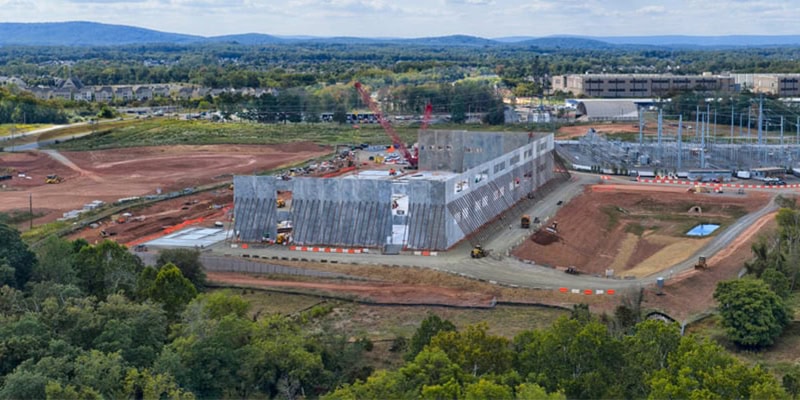
With limited supply and a race to secure capacity, data center users today have little leverage to demand sustainable options. However, as the pace of demand slows, occupiers and investors may increasingly prioritize sustainability in their leasing and acquisition decisions. The NAIOP Research Foundation commissioned a new report to examine best practices and emerging concerns in sustainable data center development.
As renewable energy assets become more prevalent in commercial real estate portfolios – especially among industrial and data center users – property owners face a critical challenge: ensuring that intangible assets are not mistakenly included in the taxable value of real and personal property.
In today’s competitive manufacturing landscape, speed, efficiency and sustainability are driving major shifts in how facilities are designed and built. From off-site prefabrication to digital integration and artificial intelligence-driven decision-making, advanced construction strategies are redefining project delivery. These innovations not only streamline timelines but also enhance quality, cost control and long-term operational performance.
At CRE Converge in Toronto, NAIOP’s Senior Director of Federal Affairs Eric Schmutz dove into the latest federal legislation impacting the commercial real estate industry.
The session centered on a major win for the commercial real estate industry: the One Big Beautiful Bill Act signed this summer. The legislation makes several important provisions permanent while introducing new incentives designed to support investment, development and economic growth.
Cold storage warehouses differ from traditional buildings in more ways than just temperature, and new technologies and trends are reshaping the sector as it grows. An I.CON Cold Storage panel discussed everything from automation trends to best practices in refrigeration, electrical, structural and more.
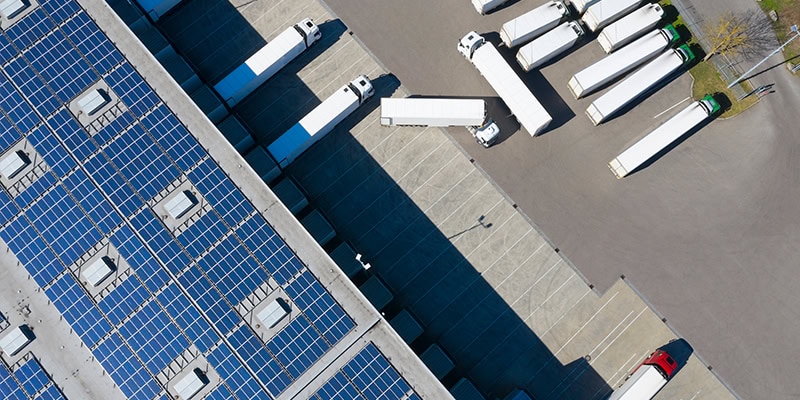
Rooftop and community solar projects can advance sustainability and ESG objectives, unlock a new revenue stream, enhance community relations, and boost property values.
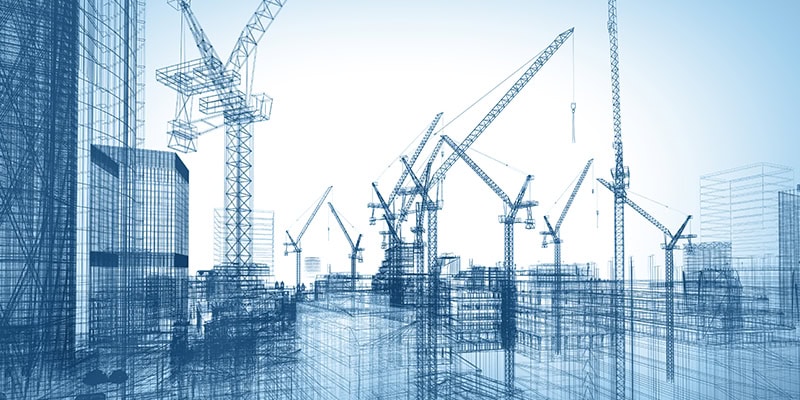
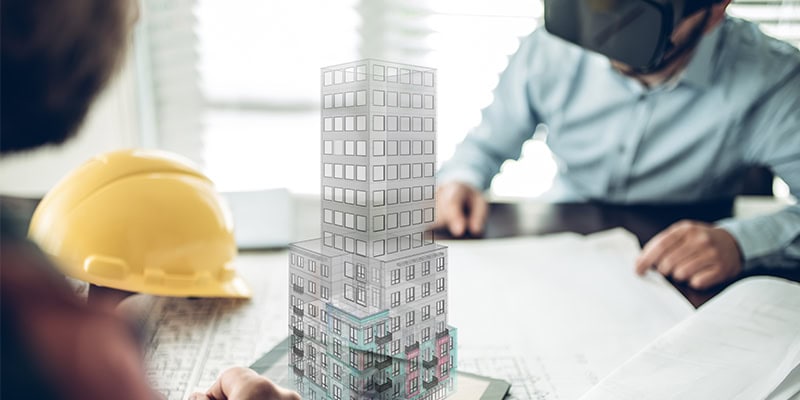
Building information modeling, or BIM, is one of the most powerful tools developers can use to reduce risk and ensure the profitability of their investments. BIM not only allows for better planning and project design, but also facilitates collaboration, communication, efficiency and ongoing asset management.