At I.CON Central in Columbus, Ohio, a panel of experts broke down what’s driving industrial investment decisions, where capital is flowing, and how debt availability is shaping the landscape.
At I.CON Central this week in Columbus, Ohio, Global Client Strategist and Senior Economic Advisor for CBRE Spencer Levy framed his keynote with a theme few would expect in a discussion about commercial real estate: the Beatles. Levy opened by telling the audience that much like the iconic band, CRE thrives on emotional resonance, innovation and the ability to adapt to changing landscapes.
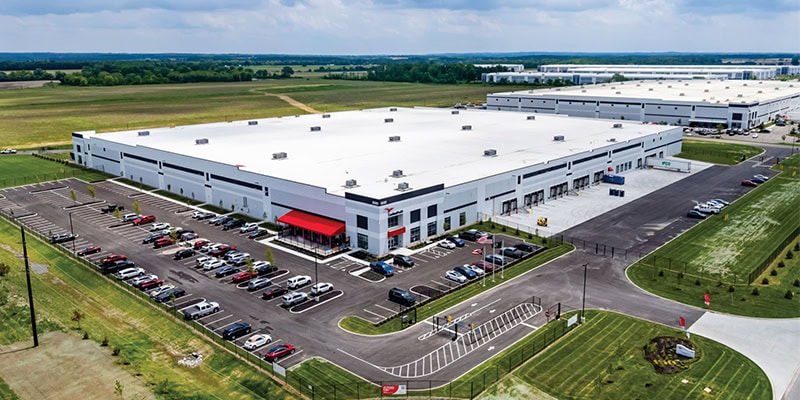
In the heart of Central Ohio, the Rickenbacker submarket has cemented the region as a top-tier destination for industrial investment, logistics innovation and global connectivity. At NAIOP’s I.CON Central conference this week in Columbus, Ohio, attendees explored major projects in the area, which is Ohio’s largest submarket and home to 25% of Columbus’ industrial stock.
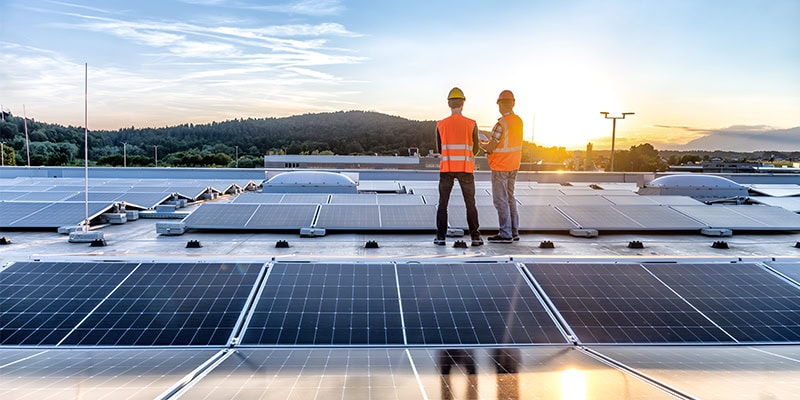
Recent guidance from the Department of the Treasury, coupled with the One Big Beautiful Bill Act, has shortened the window to claim federal incentives on rooftop solar. Commercial Real Estate owners must now move quickly to capture the full 30% Investment Tax Credit and secure financial benefits, while delays could mean lower lease rates and diminished returns.
Artificial intelligence is transforming the industrial real estate landscape in profound and sometimes paradoxical ways. As AI technologies become more embedded in logistics, fulfillment and manufacturing, they influence both the demand for warehouse space and the nature of the workforce inside these facilities.
The storage industry has expanded by a remarkable 547 million square feet since 2015, bringing the national total to more than 2 billion square feet. StorageCafe’s analysis of 130 of the nation’s largest cities shows a tight correlation between apartment and self-storage construction.
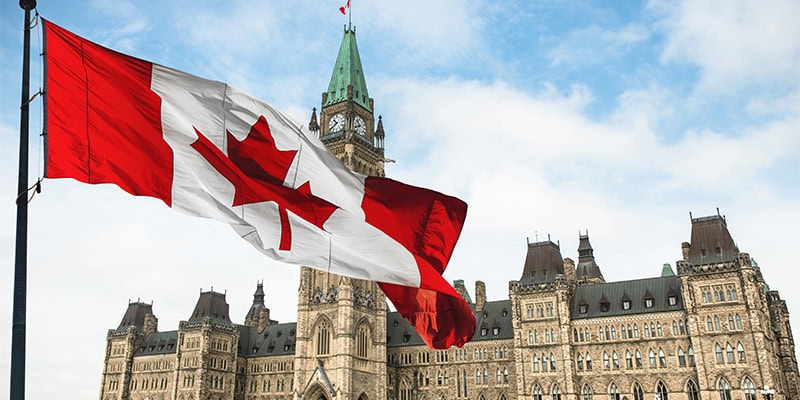
At this year’s NAIOP CRE.Converge conference, Peter Norman, Altus Group vice president and economic strategist, had the opportunity to share new insights on the economic impact of Canada’s commercial real estate sector. The presentation drew on fresh research prepared with the NAIOP Research Foundation and comes at a critical moment: when macroeconomic uncertainty, demographic shifts and policy decisions are reshaping the environment in which CRE operates.
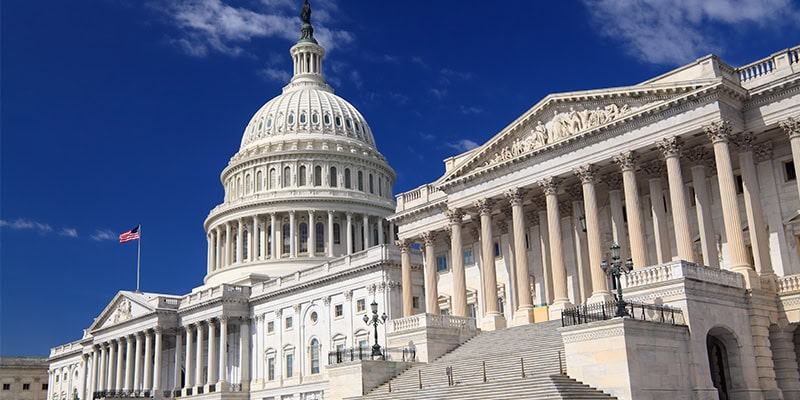
As of midnight Tuesday, the federal government has been closed for two weeks, with few signs pointing to a quick resolution or change in the political dynamics that led to the current impasse. A federal government shutdown of short duration is perceived by many outside of the nation’s capital as more of a political show than anything else. But the longer a shutdown lasts, the more the impact is felt by businesses and the public, including in the commercial real estate industry.