
Higher interest rates. Tighter capital markets. Slower development. For much of the multifamily sector, today’s environment has meant caution. But for Bob Hart, president and CEO of TruAmerica Multifamily, it’s meant something else: opportunity.
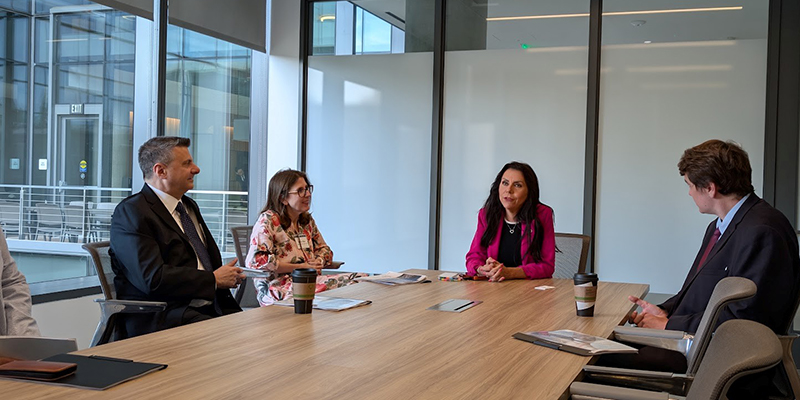
On a recent episode of Inside CRE, Commercial Real Estate Development Association (CREDA) President and CEO Marc Selvitelli, CAE, sat down with Hart to unpack how his firm has continued acquiring and operating multifamily assets through a cycle that has pushed many investors to the sidelines.
Durable demand, even in a slower-growth environment
Hart’s confidence starts with the renter. While pandemic-era rent growth has normalized, he points to structural shifts in how and where Americans live. Delayed marriage, delayed homeownership, and longer lifespans are all pushing more households toward renting, and for longer stretches of life.
“We’re more of a renter nation,” Hart said, noting the U.S. has moved from roughly 30% renters toward 40% as more households choose – or need – to rent longer.
Opportunity is in repositioning, not just building
Rather than chasing new construction in a market where costs make development math difficult, Hart’s strategy centers on acquiring undermanaged and undercapitalized properties – assets often held by owners without the resources or expertise to maximize their performance.
“We look for what I’ll call ‘time’s up’ situations,” Hart explained, pointing to maturing debt, exhausted depreciation benefits, or partners simply ready to move on. Even in a down cycle, he said, those transition points continue to create investment opportunities for buyers positioned to act.
Development math still doesn’t pencil – for now
Hart was candid about why new construction remains difficult to justify in many markets. Investors want returns builders can’t currently deliver, largely due to elevated land costs and construction pricing. That gap, combined with the time it takes to bring a project online, has many investors looking elsewhere for yield.
Still, he doesn’t see that as a long-term signal. Supply constraints from years of slower development, paired with an aging U.S. housing stock, point to sustained demand for the kind of value-add repositioning that is core to his firm’s strategy.
“The [U.S.] housing stock is getting older,” Hart said. “That creates an opportunity for repositioning and adding value. That will never stop – because we will never build enough new.”
Workforce and affordable housing as a long-term bet
TruAmerica’s recent moves – including a $700 million-plus workforce housing fund and a $1 billion affordable housing joint venture – reflect Hart’s long-term view of where durable demand lives. He pointed to an aging population of affordable housing developers without succession plans as one factor opening the door to new entrants in the space.
On the regulatory headwinds facing that sector, particularly rent control in certain markets, Hart offered a memorable piece of advice: steer clear of the most heavily regulated municipalities. As he put it, borrowing jargon from riding the subway: “You steer clear of the ultimate third rail.”
Discipline, not just optimism
Despite describing himself as “an incurable optimist,” Hart was quick to note that optimism alone isn’t a strategy. Success in this cycle, he said, requires more rigorous underwriting and a clear-eyed view of which submarkets can support long-term performance.
Hart’s outlook is a blend of conviction and caution: confidence in the long-term fundamentals of multifamily and affordable housing, paired with a disciplined approach to underwriting in a higher-rate, more selective capital environment. For developers and investors navigating today’s market, that means picking a strategy, understanding the fundamentals, and avoid overleveraging along the way.
Listen to the full conversation between Marc Selvitelli and Bob Hart on Inside CRE.
This post was created with the assistance of AI tools; all content was reviewed by the author.